Mid-Country is the larger-lot Greenwich middle, where you drive to almost everything.
Mid-Country is the part of Greenwich many people picture before they learn the map: quieter streets, bigger lots, and addresses that sit between busy in-town and the deep backcountry. The trade is simple to say and easy to underestimate — you give up the walk to the train for the space, so the exact house decides whether the station run, the school route, the errands, and the property workload actually fit your week.
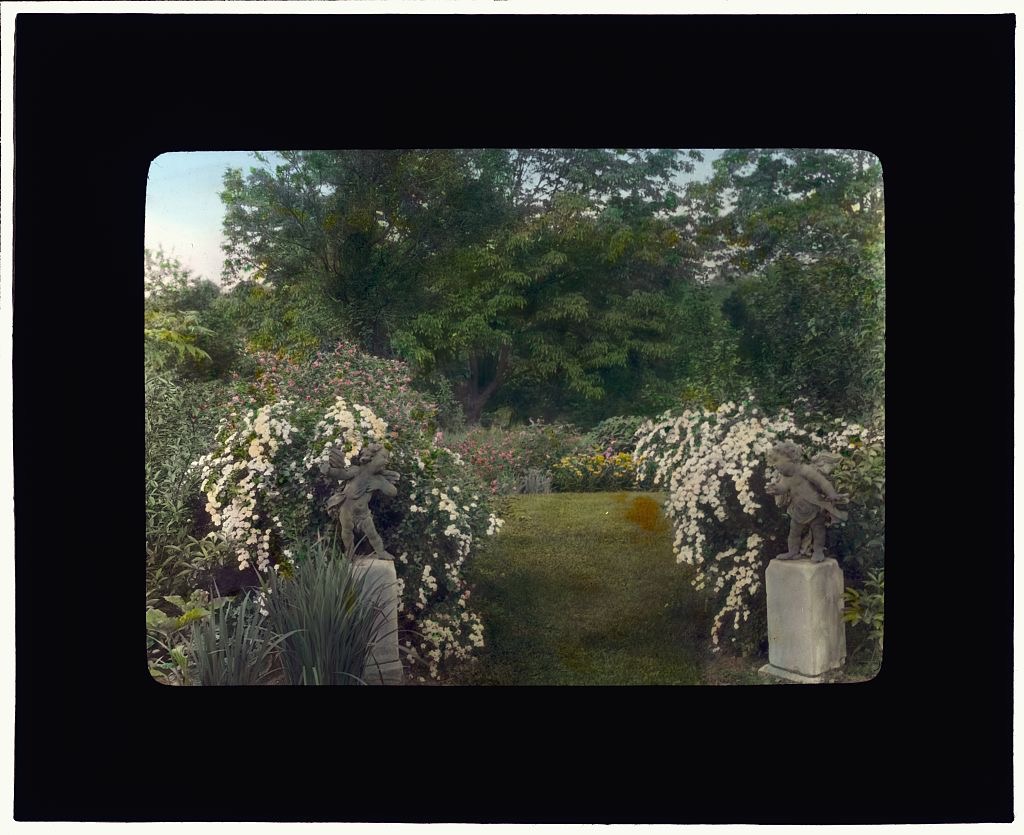
The Graham Nichols house in Greenwich — a historic house-and-grounds image for thinking about exact-address research, not a claim about today’s Mid-Country boundaries.
Image: Library of Congress / Wikimedia Commons, No known copyright restrictions. Source
Last checked: Source set reviewed June 3, 2026. Town document paths can redirect, and parcel-level facts vary by address. Verify school assignment, station and parking logistics, property records, drainage, utilities, and renovation limits before deciding.
The commute is a drive, then a train
In Mid-Country you do not walk to the platform; you drive to it, usually to one of two stations. The downtown Greenwich station gets the faster express trains to Grand Central, which is why its permits are in heavy demand; Cos Cob is a local stop that some addresses reach more quickly, with its own parking. The Town issues commuter-parking permits and they can carry waitlists, so do not assume you will park on day one. Drive both options from the exact driveway at a real morning hour, and confirm current permit availability with Town Parking Services before you let "near the train" settle the decision.
Property life is most of the difference
Bigger lots are the appeal, and they are also the part newcomers underestimate. A few Greenwich realities land harder in Mid-Country than they do for a small in-town parcel:
There is no town curbside trash pickup — residents hire a private hauler, or self-haul to the Holly Hill facility with a permit. Confirm the current process and any fees with the Town before assuming.
The town restricts gas-powered leaf blowers seasonally, which changes how and when larger lots get maintained; the rules and exemptions are on the Noise Ordinance page.
Greenwich's tree canopy makes storms and power outages a real factor, which is why standby generators are common on the more wooded streets up here.
The town-wide 2025 revaluation reset assessments and lands on the July 2026 tax bill. A higher assessment does not move one-for-one with taxes, because the mill rate adjusts — so get the actual number for a specific house from the Assessor rather than working from a town-wide figure.
Use the Assessor, GIS, Planning & Zoning, Public Works, utility sources, and qualified professionals for parcel-level answers. Greenwich Insider can frame the questions; it should not turn a broad neighborhood name into permit, engineering, insurance, or school-assignment advice.
Open space is nearby, not automatically yours
Part of why Mid-Country feels green is the conservation land threaded around it. Greenwich Land Trust parcels and the Audubon sanctuary put fields, woods, and trails into the daily view; Planning & Zoning handles the town's land-use and conservation rules. The catch: a pretty edge of land is not the same as land you or your guests can walk onto. Before you count an open view as part of the property, check whether it is actually public, private, or just nearby protected land.
Getting around in summer 2026
One near-term note for the North Street corridor: as announced, the North Street bridge over West Brothers Brook is set for a full closure across the summer of 2026 — roughly mid-June into late August, with one-way traffic on either side of the full shutdown — which pushes traffic onto cut-through streets. Dates and phasing can move, so if you are testing a Mid-Country drive this summer, confirm the current schedule and road status with Town Public Works before you read too much into one quiet or one clogged run.
Fit check
Enjoy the space, then verify the address-level details.
Verify by address
Mid-Country works best if
You want larger lots and quieter streets but still expect a mostly car-based week, not a walk-to-the-train week.
The station plan, school or care route, errand pattern, and highway choice all hold up when you test them at real times from the exact driveway.
You are comfortable verifying parcel records, school assignment, parking, public-versus-private access, drainage, utilities, and renovation limits before relying on the neighborhood name.
Check twice if
Older kids, guests, or relatives need to get around without constant rides — Mid-Country is not a place teenagers walk out of.
The listing sells “central Greenwich” but stays quiet about the driveway, the road, storm exposure, service access, or project constraints.
You are comparing Mid-Country, Round Hill, Backcountry, Downtown, Cos Cob, and Glenville by name instead of by the actual week each address builds around you.
Best evidenceReal-morning drive test + property file
Main cautionNo walk to the train; everything is a drive
Source links
View source links
Last source review: June 3, 2026. Open official pages directly because links, redirects, and address-specific details can change.
Town of Greenwich GIS / map resources — official Town map starting point for parcels and lot lines; automated checks may redirect to a document index
Greenwich Assessor — property-record starting point for exact-address research
Town of Greenwich 2025 Revaluation — official page on the town-wide reassessment that lands on the July 2026 tax bill; a higher assessment does not move 1:1 with taxes because the mill rate adjusts
Mid-Country is a common name for the broad residential band between the busier in-town area and the more northern backcountry, often discussed as the stretch between the Post Road and the Merritt. It is local shorthand, not a precise Town boundary, so the exact address matters more than the label.
Can you walk to the train from Mid-Country?
Generally no. Mid-Country is a drive-to-the-station part of town. Most households drive to Greenwich (express trains) or Cos Cob (local) and either hold a commuter permit or arrange a drop-off. Test the actual drive, parking, and evening return before assuming the location solves the commute.
Is Mid-Country good for commuters?
It can be, but it depends on the driveway, the station you choose, parking or drop-off, the train pattern, school or care routes, and the evening return. Drive the routine before you trust it; commuter-parking waitlists are a real factor in which station is realistic.
How is Mid-Country different from Round Hill or Backcountry?
The labels overlap in conversation. Mid-Country usually signals a somewhat more central residential routine with larger lots than in-town; Round Hill and Backcountry suggest more northern, quieter-road living. Compare routes, property files, and your household schedule rather than relying on the neighborhood name alone.
We do not include paid placements unless the page says so. These links are the source list for this guide. Rules, hours, access, and business details can change, and some official or business sites may block automated checks. Please check the linked official or business source before making plans.
The Greenwich Weekend List
Know what’s worth doing in Greenwich this weekend.
A short local email with weekend events, dinner ideas, kid-friendly stops, beach and park reminders,
and a few Greenwich notes to check before you leave the house.